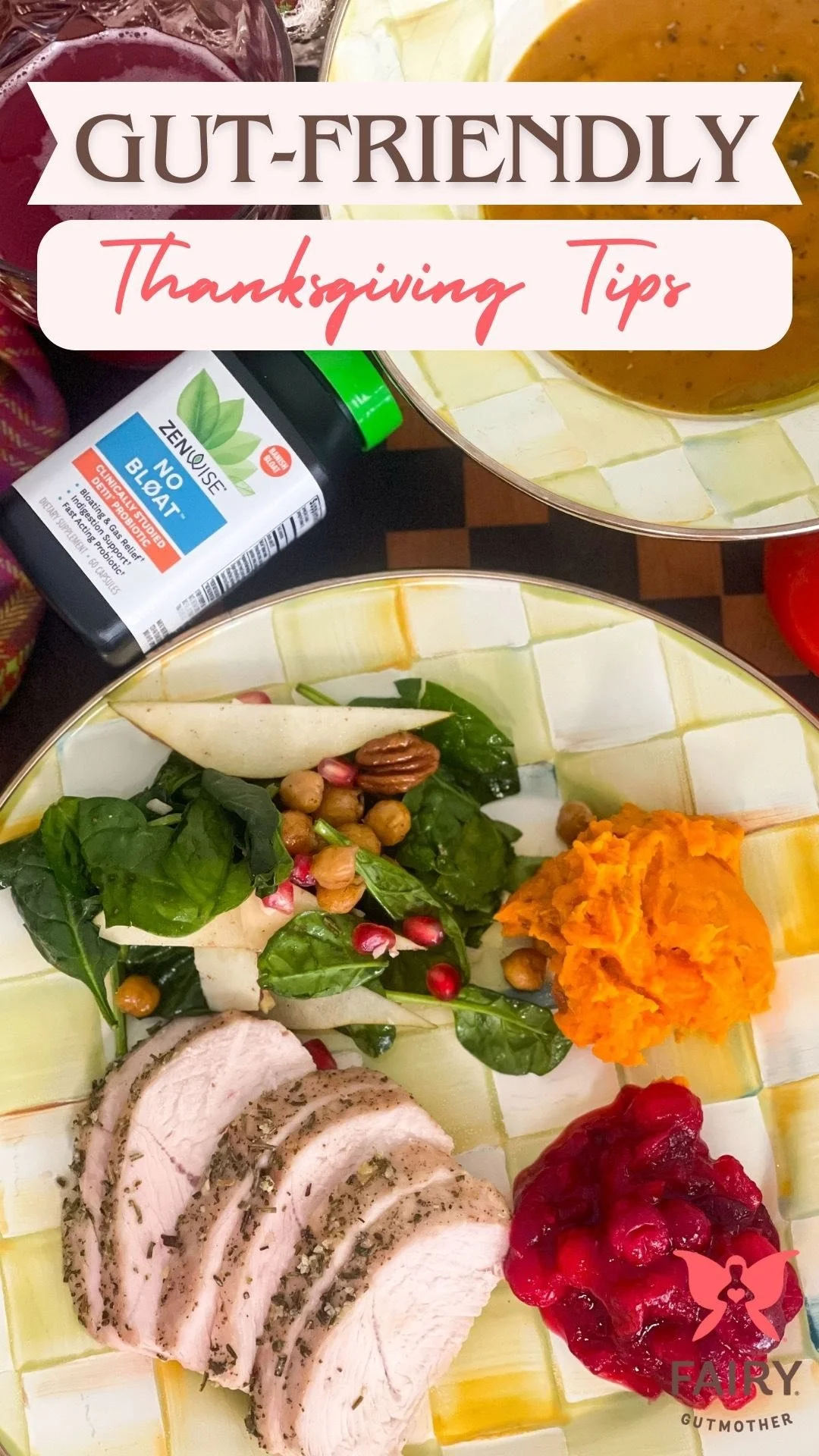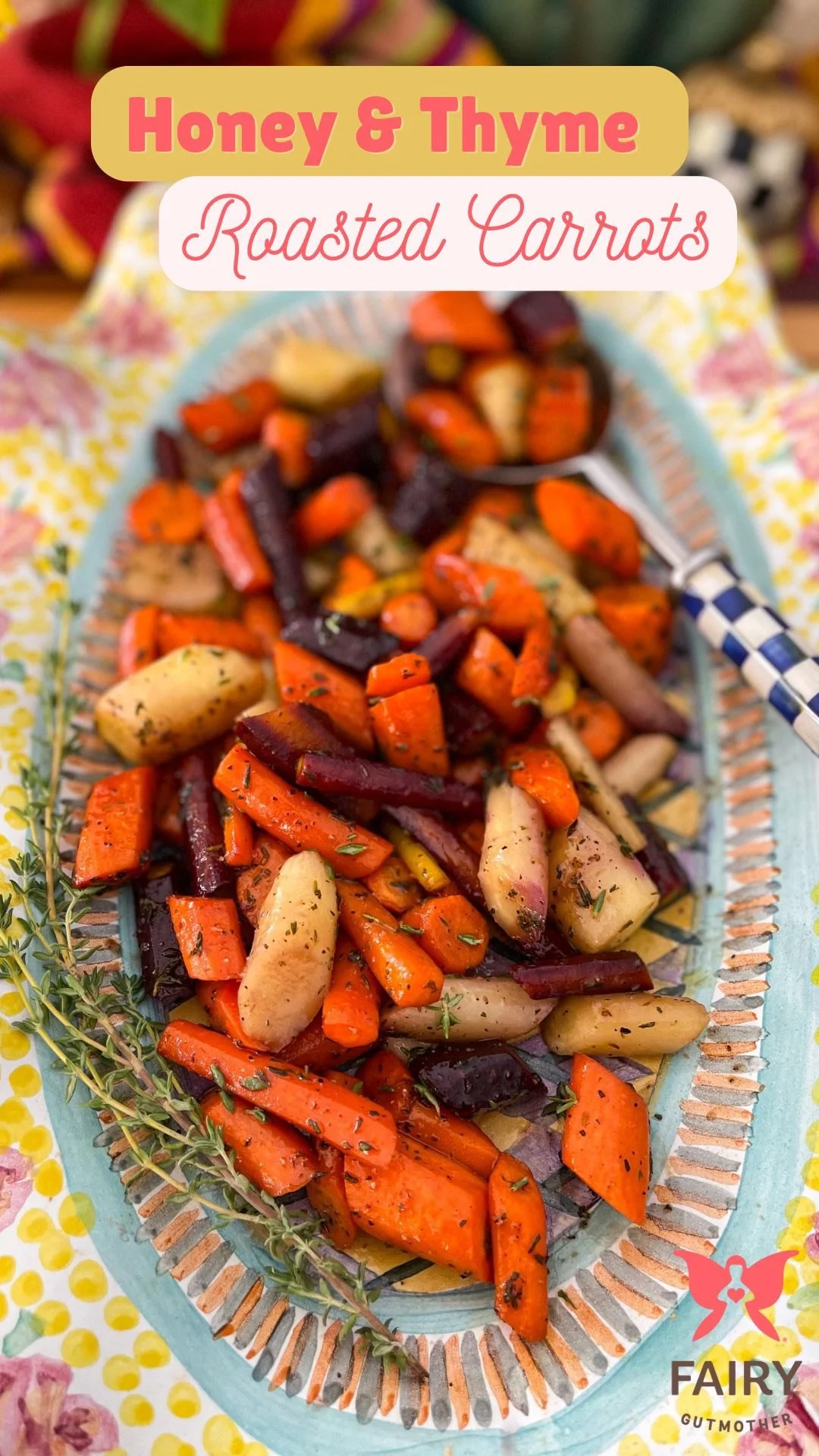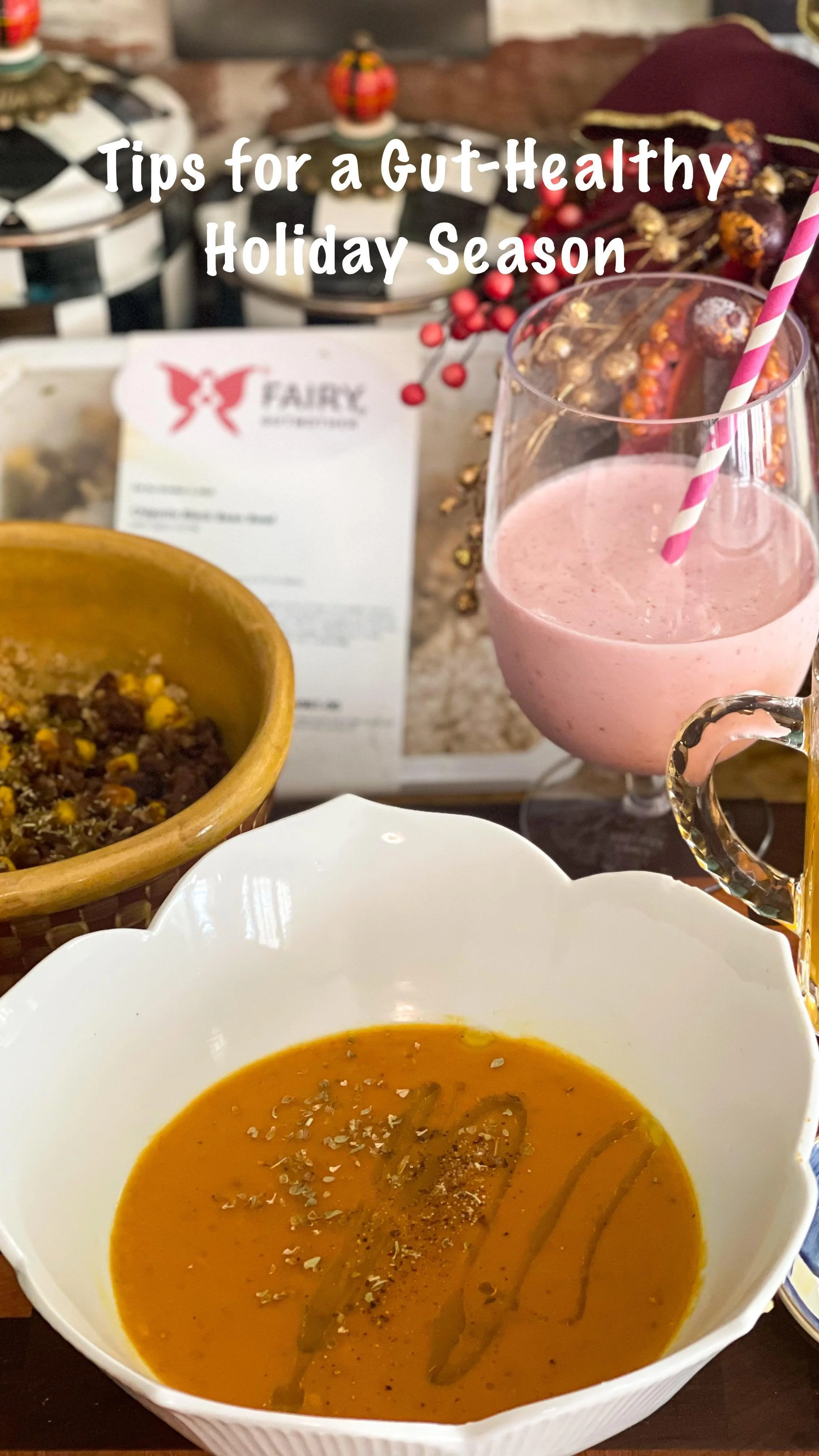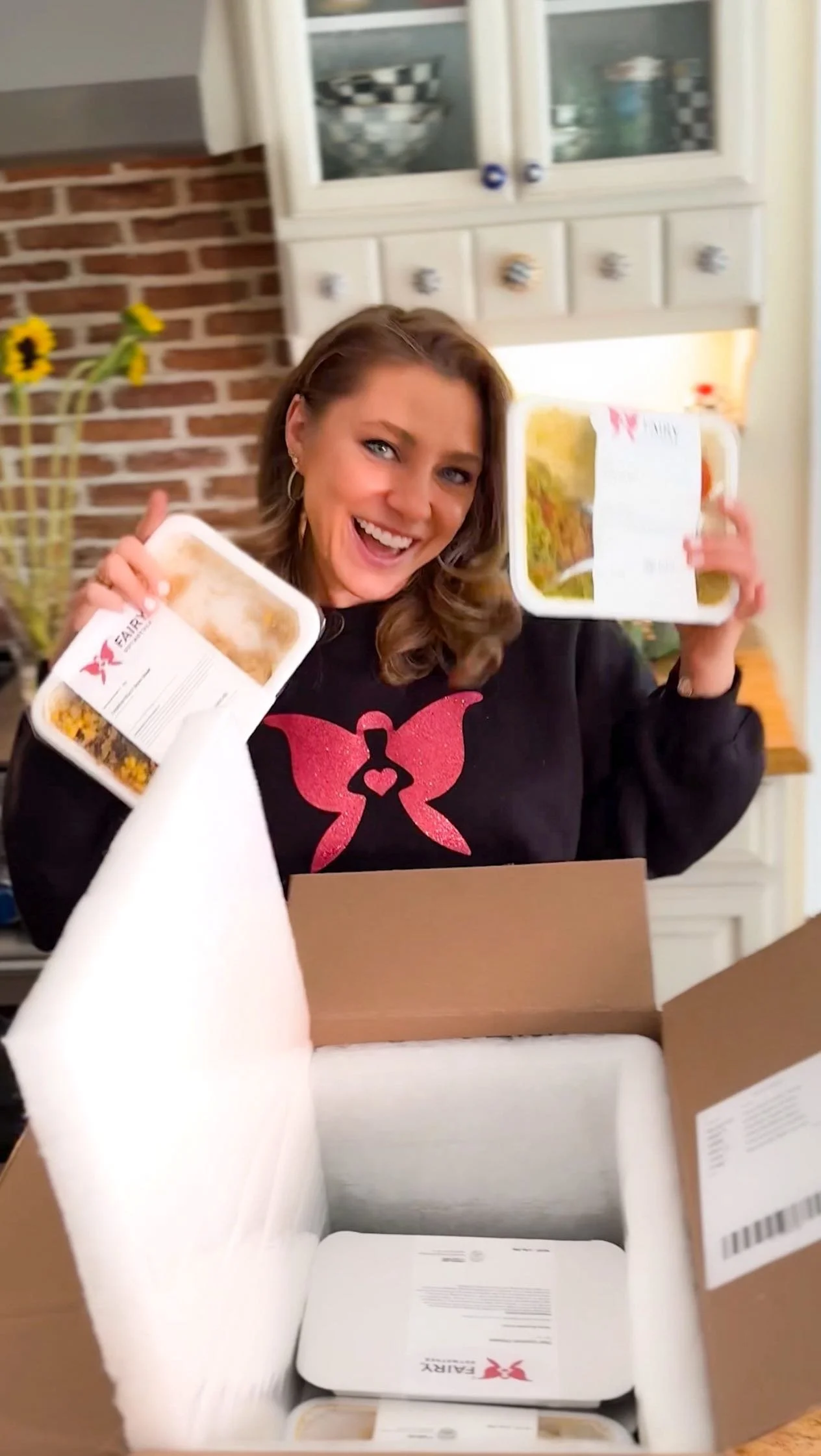

Tips for Healing the Gut
/This is one of my favorite times of year to focus on gut health for so many reasons. As kids head back to school and cold and flu season begins, supporting the gut is especially important given the close connection between gut health and immune function. Nourishing your gut now is one way to help support a healthy immune system as we head into the fall and winter months.
I also LOVE the seasonal foods this time of year! As the weather starts to cool down, sipping on broth and incorporating more soups, stews, and warming foods becomes a little more appealing. Fall favorites like butternut squash and other winter squashes are also great sources of fiber and resistant starch, which can serve as food for beneficial bacteria in the gut.
September is also a great time to start supporting your gut before the holiday madness begins. I've noticed with my clients that when we focus on supporting the gut ahead of the holidays, it can make it a little easier to navigate changes in food, travel, stress, and schedules. Plus, when you learn how to cook and eat in a way that supports your gut now, you'll have those tools to rely on throughout the holiday season.
So, don't wait until January 1st to get your gut health back on track! Here are some of my favorite ways to start supporting your gut now:
Bone Broth
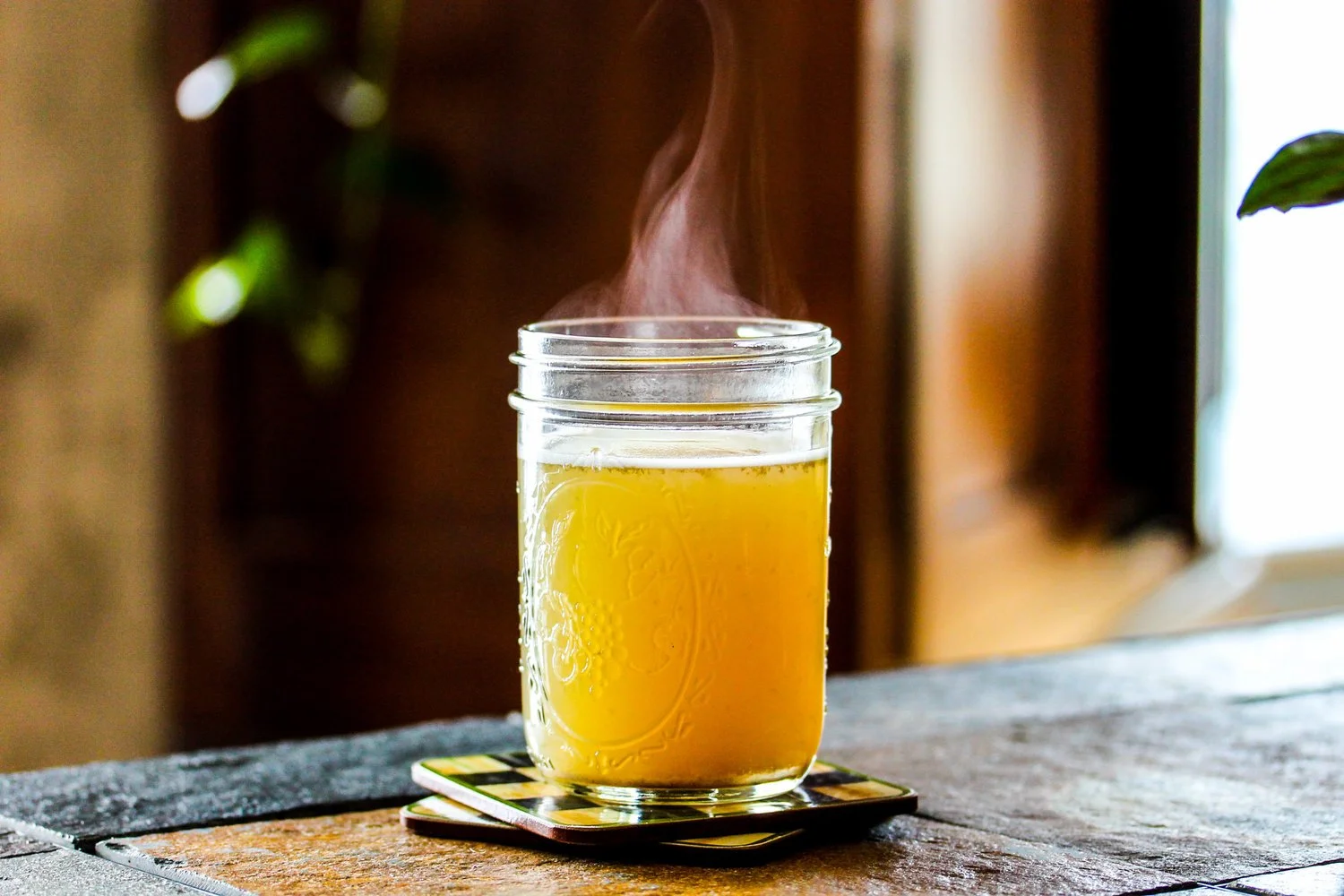
Bone broth is one of my favorite foods for supporting gut health because it's a nutrient-dense source of protein, amino acids, gelatin, vitamins, and minerals. It's also an easy way to add more fluids and nutrients to your diet.
Sip it warm by the cup, use it as the base for soups and stews, or swap it for water when cooking foods like rice and vegetables.
Focus on Easy-to-Digest Foods
Sometimes, getting your gut back on track means returning to simple, nourishing foods.
My favorites are blended soups made with bone broth because they include cooked vegetables and fiber to nourish beneficial gut bacteria, along with all the goodness of the broth. I also love incorporating cooked vegetables, quality proteins, smoothies, and fresh juices—nutrient-dense foods that can be easier to incorporate when your digestion needs a little extra support.
If you're not sure where to start, check out my FREE 3-Day Gut Reset, where I walk you through my approach in more detail and give you an easy way to start getting your gut health back on track.
Support Digestion
Two of my go-to supplements for digestive support are digestive enzymes and probiotics.
Digestive enzymes help break down the carbohydrates, proteins, and fats in the foods we eat, while probiotics can help support a healthy and diverse gut microbiome.
Supplements aren't one-size-fits-all, but they can be another tool to consider alongside a nutrient-dense diet and healthy lifestyle.
Incorporate Fermented Foods
I like to think of fermented foods as a food-first way to introduce beneficial microorganisms and fermentation byproducts into the diet.
Foods like sauerkraut, kimchi, kefir, and fermented vegetables are some of my favorites. I love adding a small amount of fermented vegetables alongside meals, not only for their flavor, but because they're an easy way to incorporate fermented foods into your everyday routine.
Have Healthy Foods Ready to Go
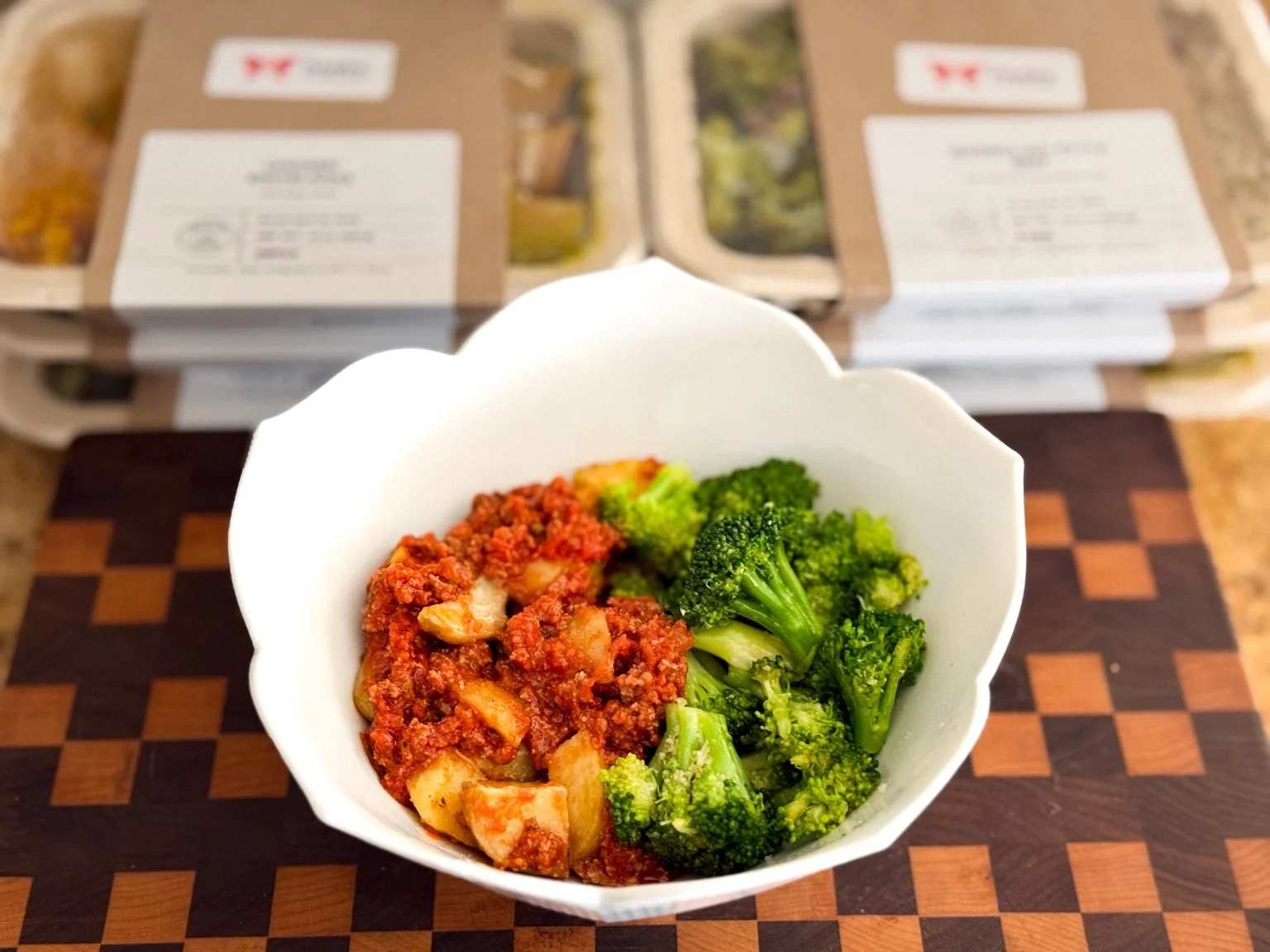
eating for gut health is easy and delicious with my meal delivery
One of the best ways to stay consistent is simply to make the healthy choice the easy choice.
Prep a few nourishing foods ahead of time, keep soups and broth in your freezer, or let me do the cooking for you!
My gut-healthy meal delivery makes it easy to have freshly prepared, real-food meals ready when you need them. Click here to check out my menu and place your order, and use code FAIRYGUTMOTHER for 10% off!
What About the GAPS Diet?
If you're looking to go a little deeper with your gut health, one approach I often use is the GAPS Diet, or Gut and Psychology Syndrome Diet.
The GAPS Diet is a gut-focused nutritional protocol developed by Dr. Natasha Campbell-McBride. It focuses on traditional, nutrient-dense foods while temporarily eliminating certain foods and gradually introducing others based on the stage of the protocol.
Some of the foundational foods used in GAPS include meat stock, soups and stews, fermented foods, animal proteins and fats, and well-cooked vegetables. The protocol also emphasizes preparing foods in ways that can make them easier to digest.
You don't necessarily have to follow the full GAPS Diet to start supporting your gut. Many of its foundational principles—such as incorporating nourishing stocks, fermented foods, quality proteins and fats, cooked vegetables, and simple whole foods—can be helpful ways to start prioritizing your gut health.
If you're curious about the GAPS Diet and would like personalized guidance on incorporating these principles into your diet, click here to learn more about working with me.
I hope this helps you get your gut health back on track and feeling your best as we head into fall and the holiday season!