
How to Reduce Bloating and Support Your Gut Before Summer
/One of the most common struggles I hear from clients is bloating and digestive discomfort, especially after meals. When the gut is compromised, it can have a harder time properly breaking down food, which may lead to digestive discomfort, bloating, and that uncomfortable “food just sits there” feeling.
The good news is that there are simple ways to support digestion and help get your gut back on track. Here are some of my favorite strategies to reduce bloating naturally.
1. Support Digestion with Enzymes
Gut health starts in the mouth with how we digest our food. If we are not digesting food properly, then everything downstream is affected. Supplementing with a digestive enzyme helps break down proteins, fats, and carbohydrates so nutrients can be more easily absorbed. Our natural enzyme production can decline with age, and stress, medications, and poor diet may also impact digestion.
Adding digestive enzyme support with meals can be a helpful tool for those who experience bloating or heaviness after eating.
2. Incorporate Bone Broth
Bone broth is one of my favorite gut-supportive foods because it is soothing, nourishing, and easy to digest. It contains naturally occurring compounds that may help support the gut lining and calm digestive irritation.
You can enjoy bone broth in several ways:
Sip it warm throughout the day
Use it as a base for soups and stews
Add it to recipes for extra flavor and nourishment
For those who do not consume animal products, L-glutamine is another nutrient often used to support gut lining health.
3. Focus on Cooked Foods and Soups
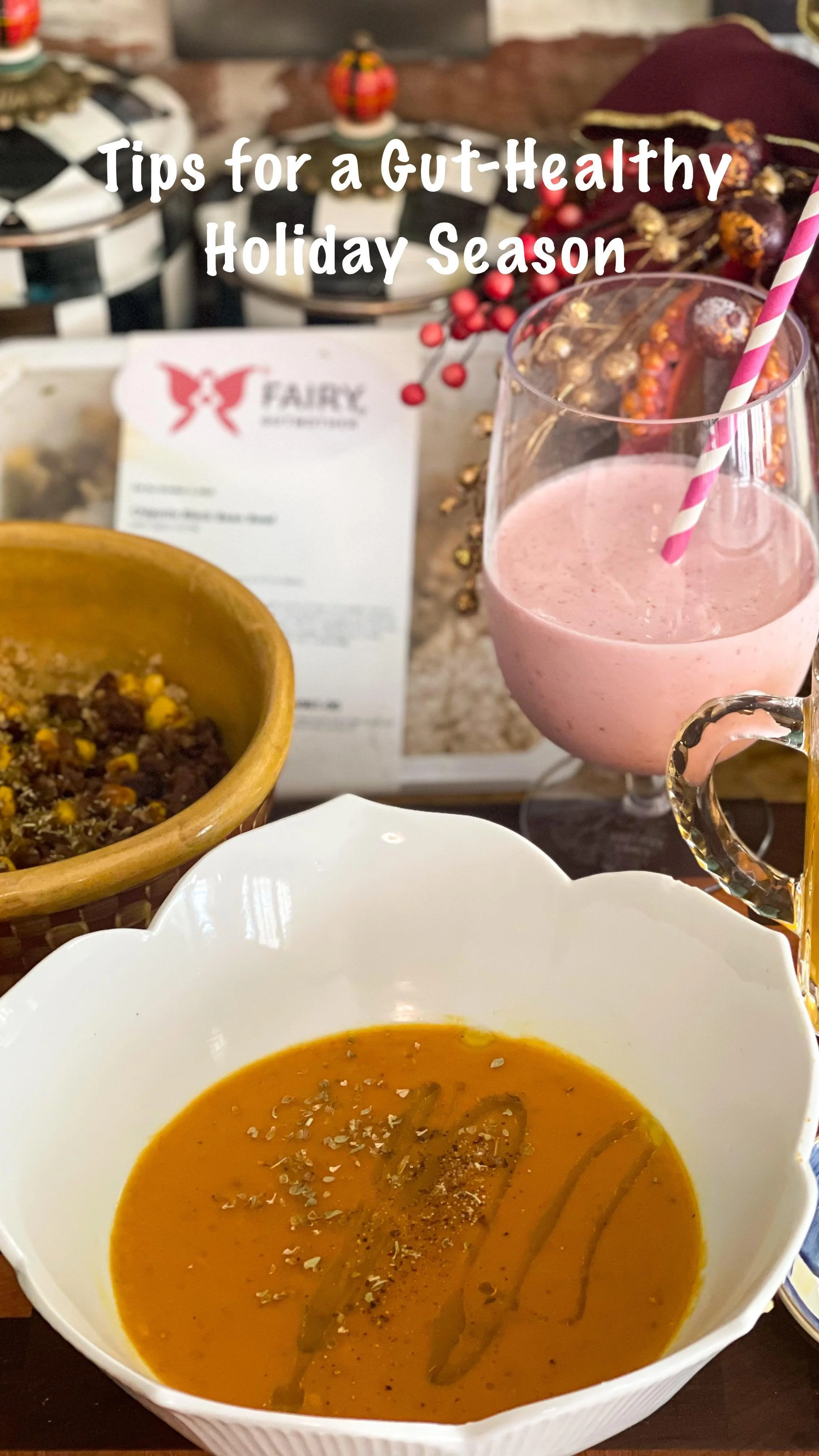
When digestion feels off, cooked foods are often easier on the body than large amounts of raw foods. Soups, stews, and blended soups can be especially helpful because the ingredients are softened, broken down, and gentler to digest.
This is one reason I love making soups with bone broth: they’re comforting, nutrient-dense, and supportive for the gut.
4. Temporarily Reduce Trigger Foods
When the gut is irritated, certain foods may be harder to tolerate. Depending on the person, it can be helpful to temporarily reduce foods such as:
Raw vegetables
Large amounts of raw fruit
Nuts and seeds
Beans and legumes
Dairy
Grains
These foods are not inherently “bad,” but some people may digest them better once the gut is in a stronger place.
It can also be beneficial to reduce alcohol, highly processed foods, and excess sugar, which may worsen digestive symptoms.
5. Make Consistency Easy
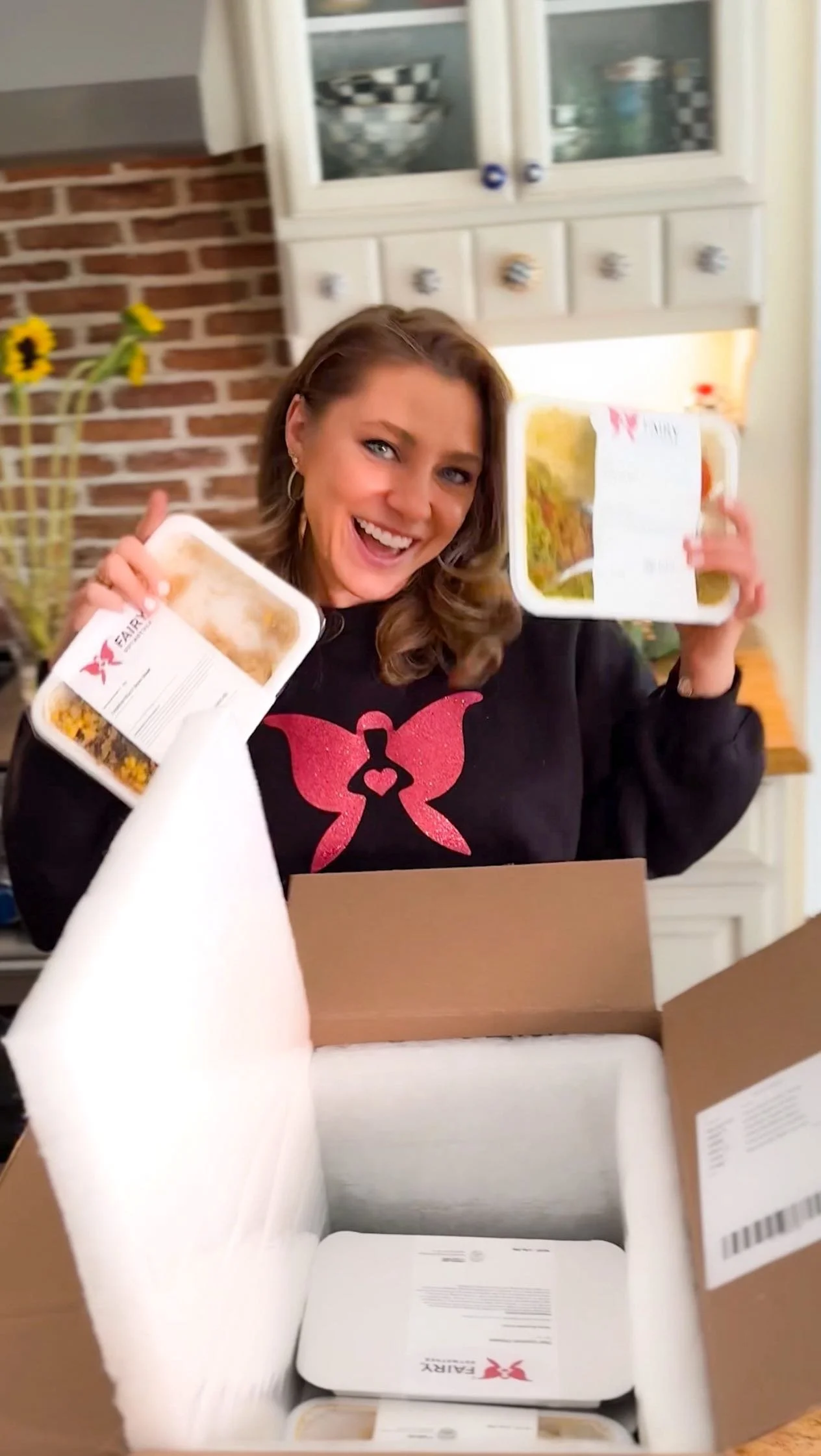
Often, the biggest challenge is not knowing what to do; it’s sticking with it consistently. Having nourishing meals ready to go can make a huge difference when you’re trying to support your digestion and avoid grabbing foods that leave you feeling worse.
That’s exactly why I created my gut-healthy meal delivery service: clean ingredients and meals designed to help you feel your best.
Ready to Get Your Gut Back on Track?
If bloating has been holding you back, small, consistent habits can create big changes. Start simple, support digestion, and give the body foods that help you thrive heading into summer.